Plastic injection molding and ultrasonic welding of technical plastic parts. From the idea to the design and mold construction to the finished molded part.
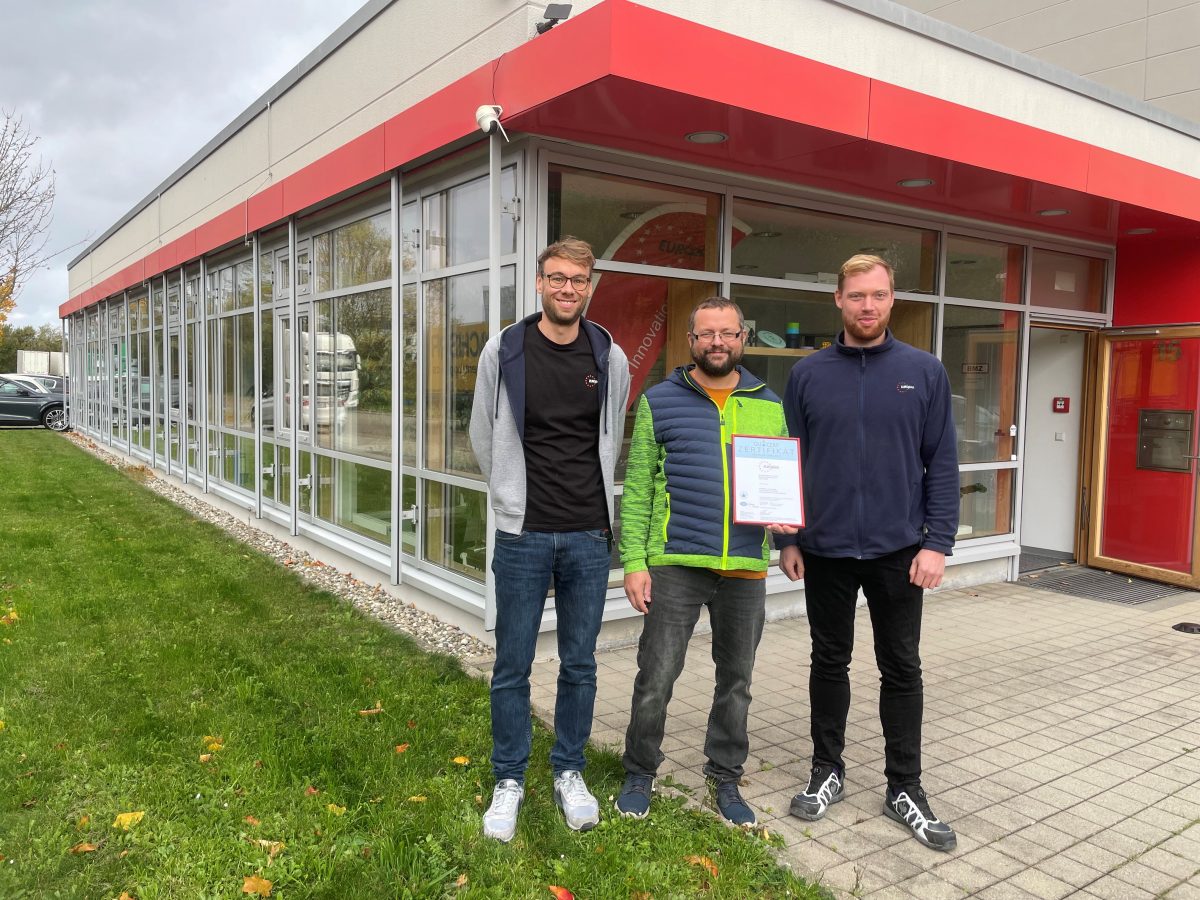
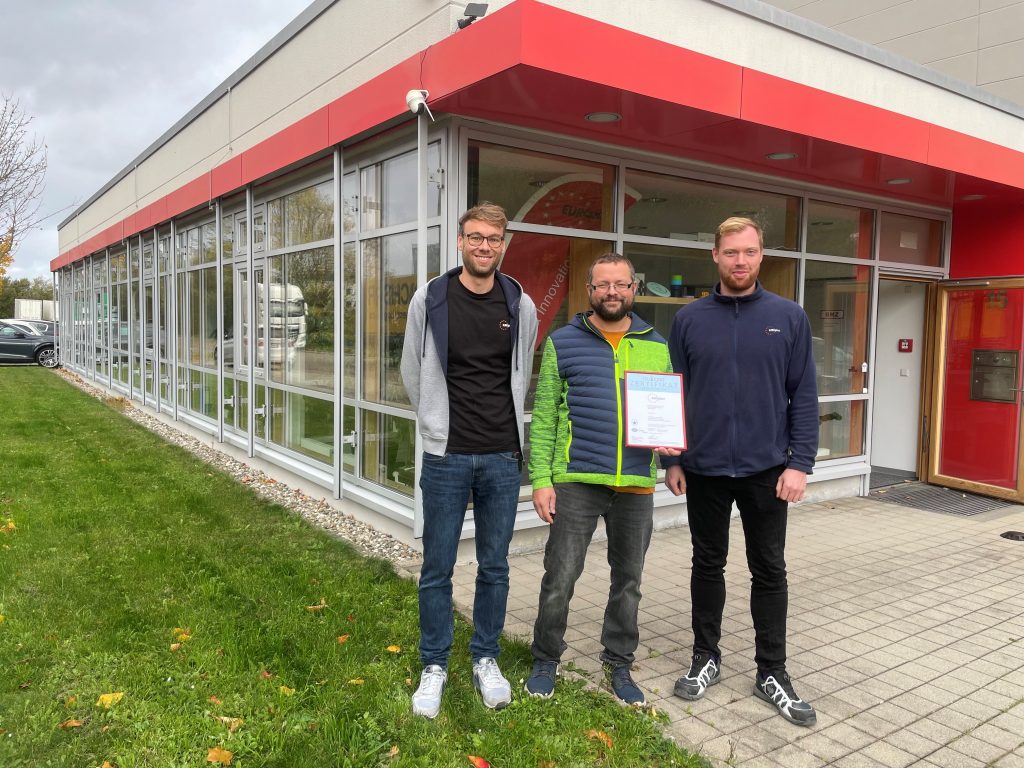
A milestone for our company! After almost a year of intensive preparation, we have achieved it: Our company has been successfully certified according to DIN EN ISO 14001:2015. This initial certification by the certification company Quacert is proof that we meet all the requirements of this international standard for environmental management systems. As of today, we can officially confirm that our commitment to environmental protection is systematic and compliant with the standards.
DIN EN ISO 14001 places high demands on a company’s environmental performance. It requires not only compliance with existing environmental regulations but also the continuous improvement of corporate environmental protection. Thanks to the outstanding cooperation of our colleagues and the support of our partner companies, we were able to successfully overcome this hurdle. Sincere thanks to everyone who contributed to this success with their dedication and expertise!
We are particularly proud that we already met almost all environmental requirements before the standard was introduced. This certification now provides written confirmation of what we have long practiced in our daily work. This confirmation not only provides us with internal security but also allows us to offer our customers additional added value: They can rely on our proven environmentally friendly and sustainable operations.
We are convinced that this certification is another step in the right direction – for us, for our customers, and for the environment. Let’s continue to focus on sustainable solutions together and make our contribution to an environmentally conscious future!
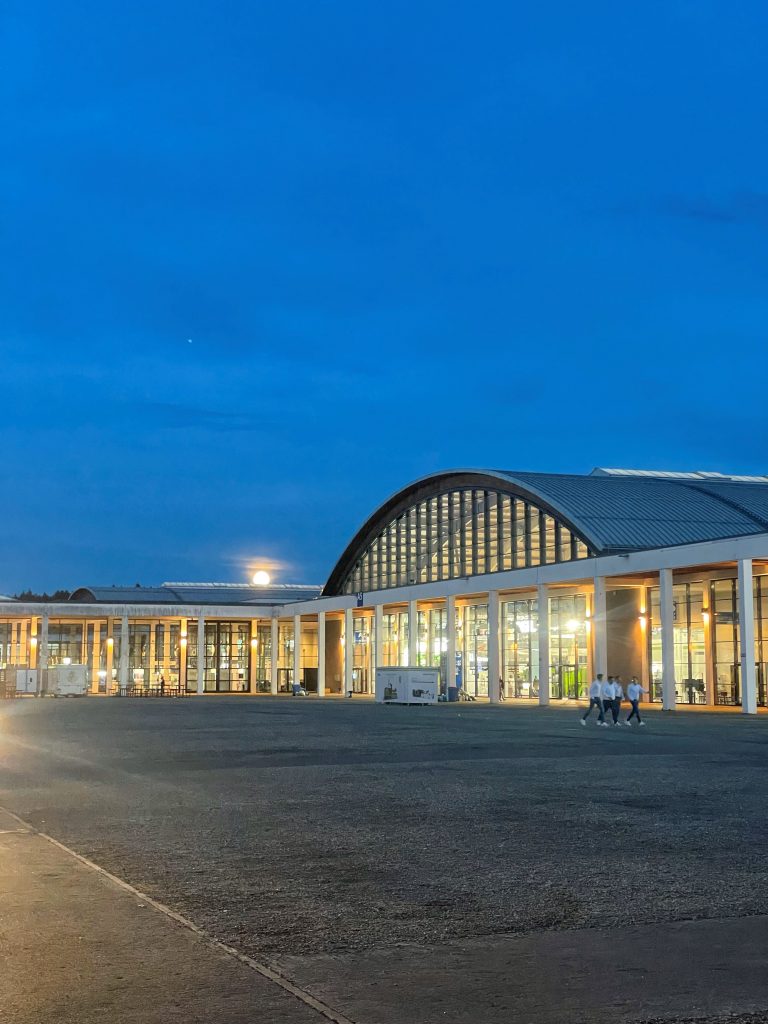
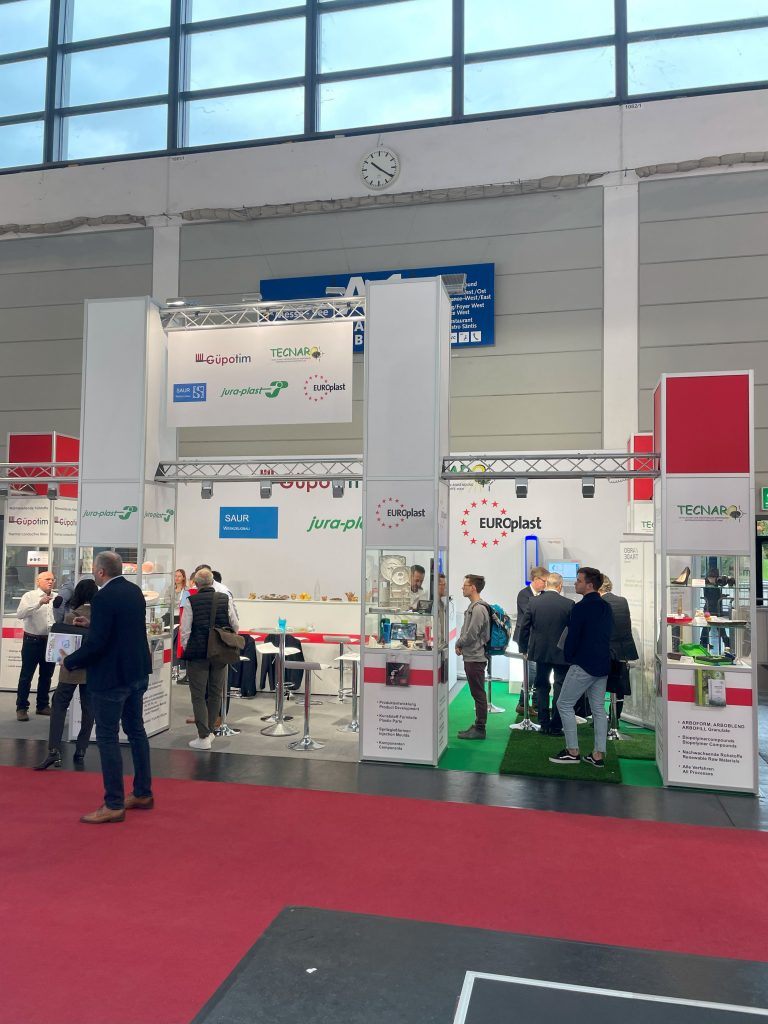
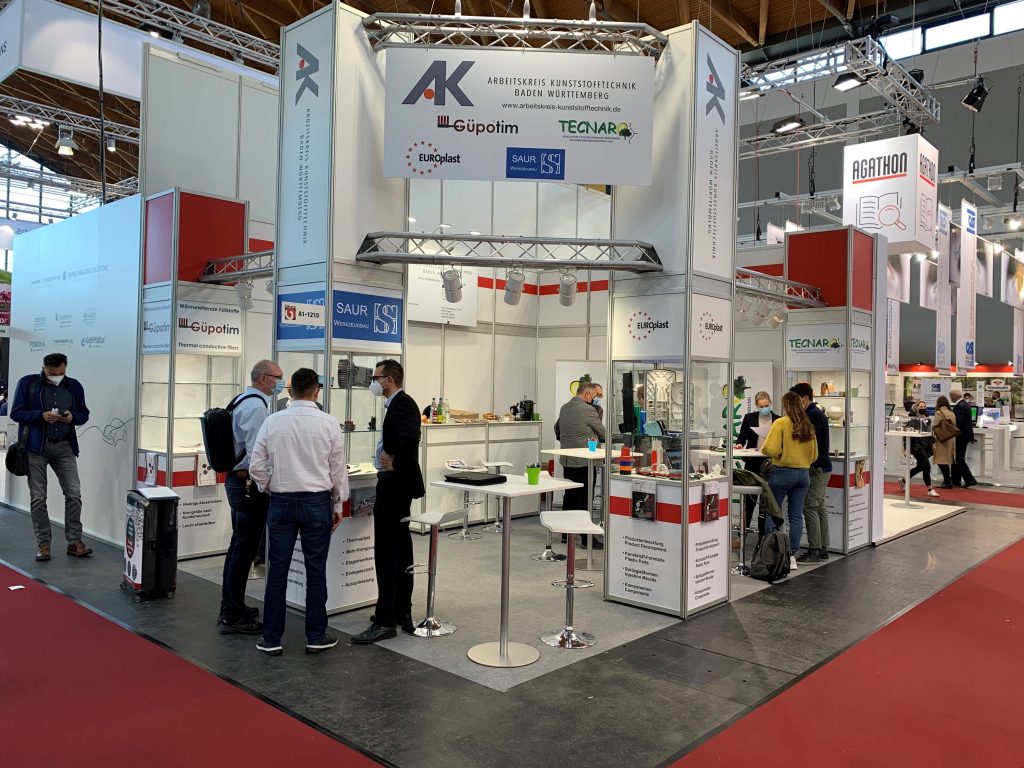
October 15 to 19, 2024, Friedrichshafen Exhibition Center
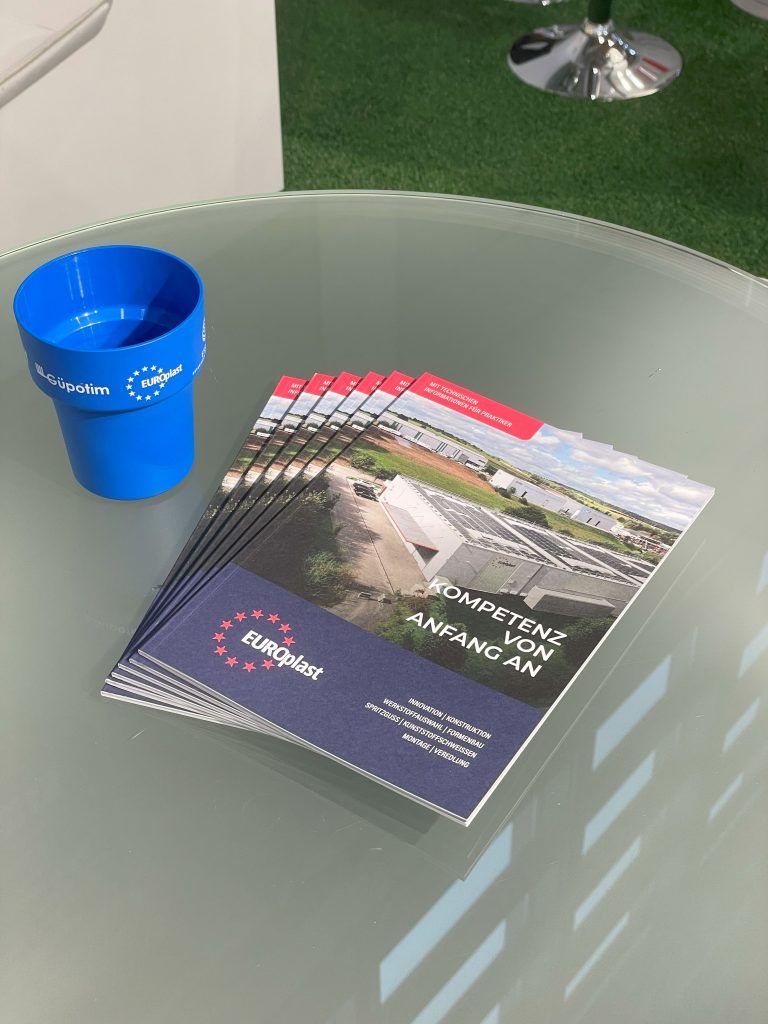
We have started FAKUMA 2024 with new brochures – as usual with the tried and tested information for practitioners (also available here on our website).
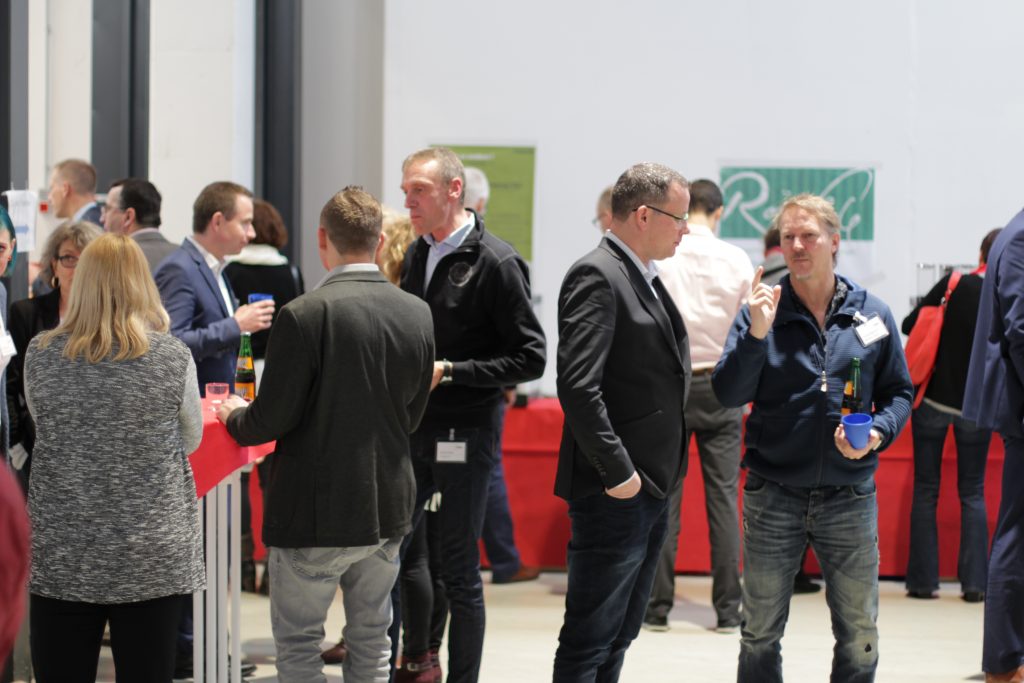
The current economic situation in Europe and Germany was certainly noticeable, so we were all the more pleased that many of our long-standing customers still made the trip to Friedrichshafen. And it was worth it, there was again a lot to see and experience at this year’s FAKUMA.
For us, too, it is always exciting to learn about new technologies and possibilities, especially in the direction of increasing efficiency.
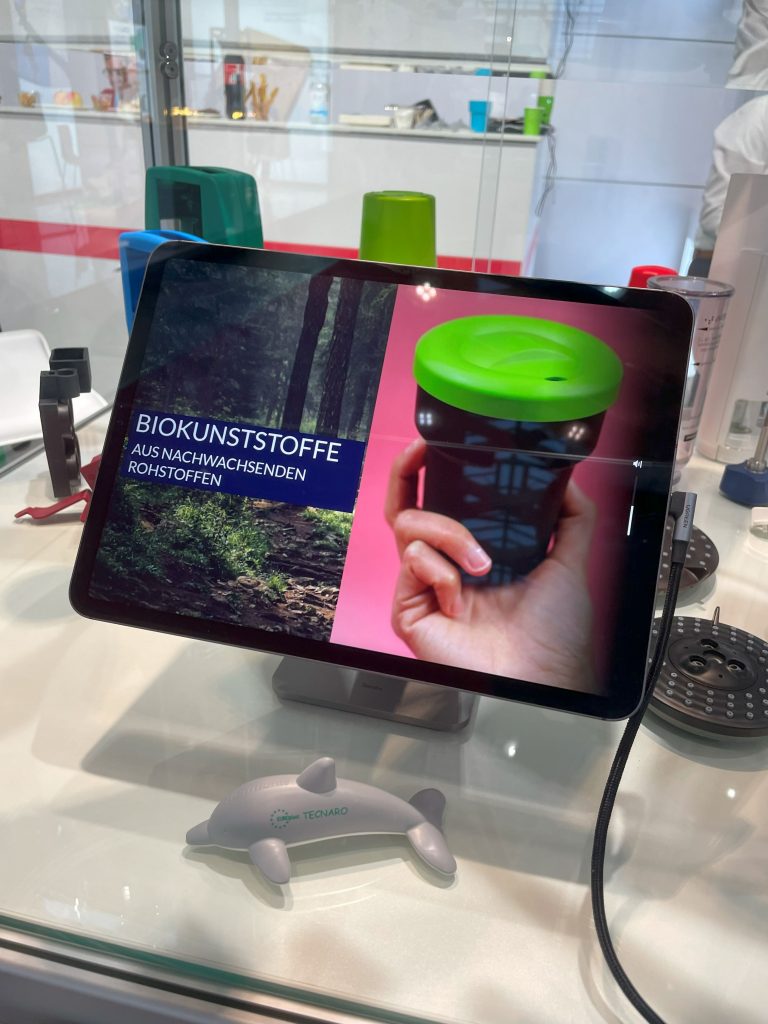
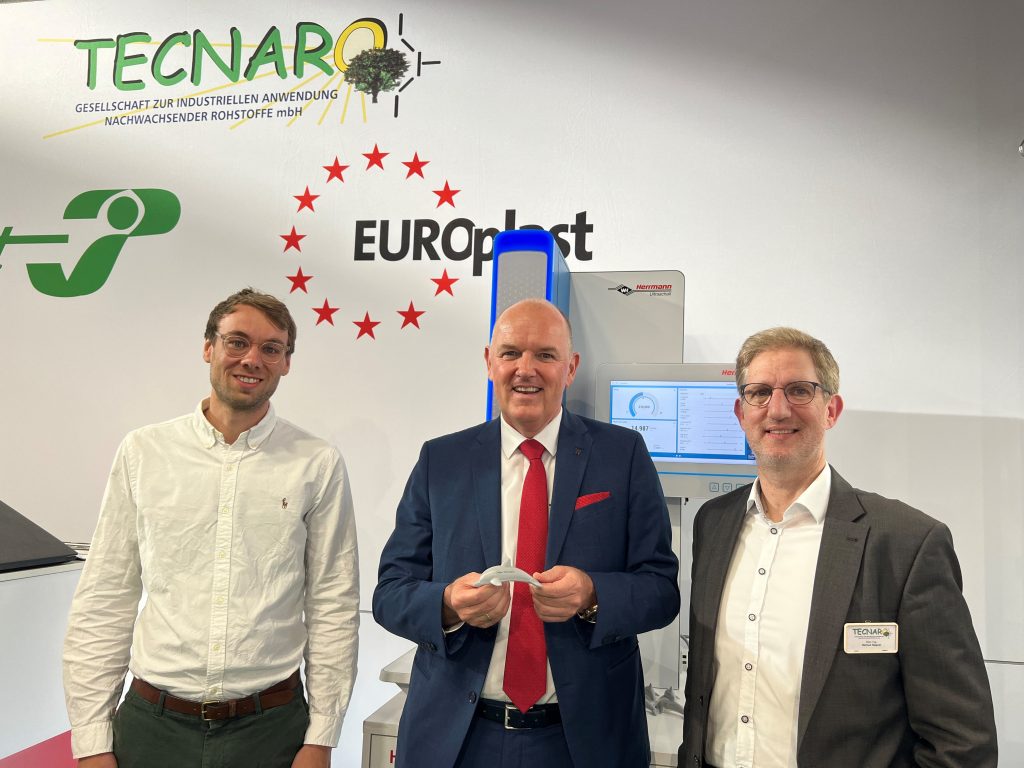
At the trade fair stand, we took another step towards sustainability and, with the active support of Nowaste and their treecups, served drinks from biodegradable reusable cups. A joint project between Nowaste, Tecnaro, Saur Werkzeugbau and EP Kunststofftechnik GmbH.
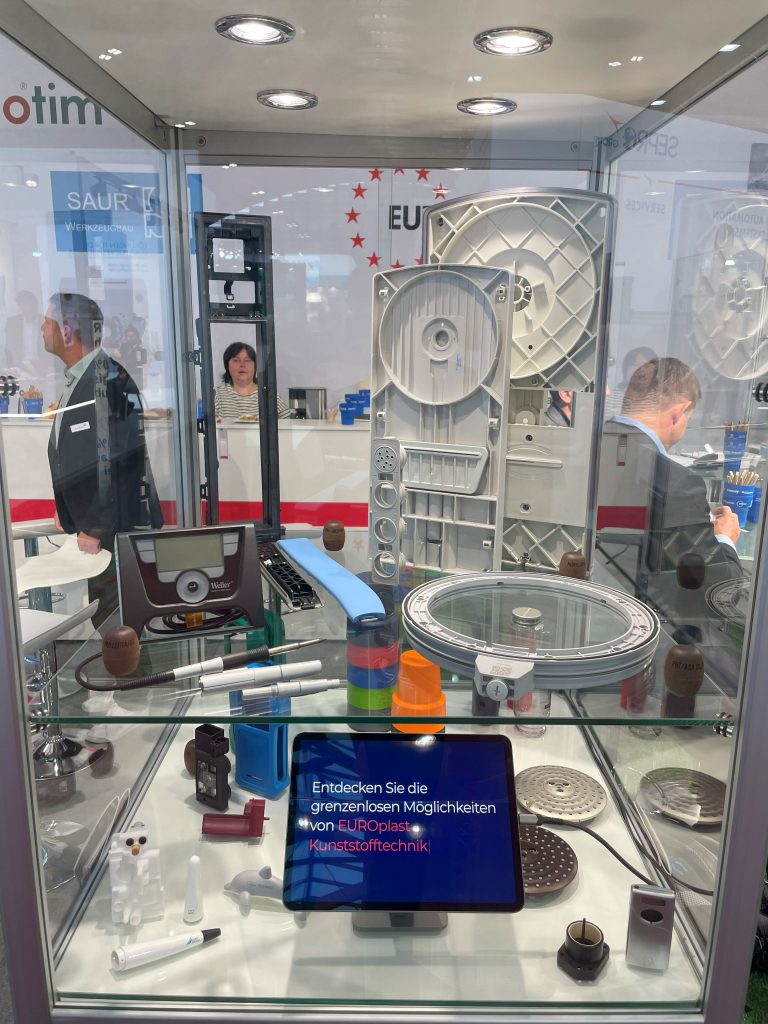
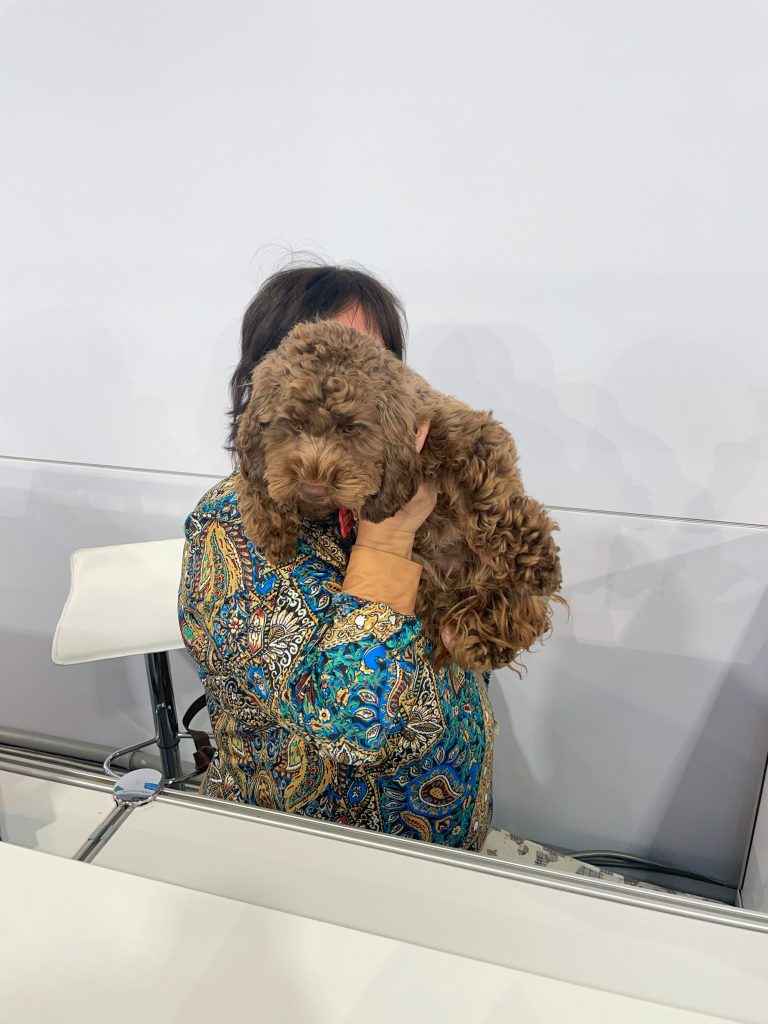
And last but not least, this year instead of dolphins made of bioplastic, there was a trade fair dog at our stand!
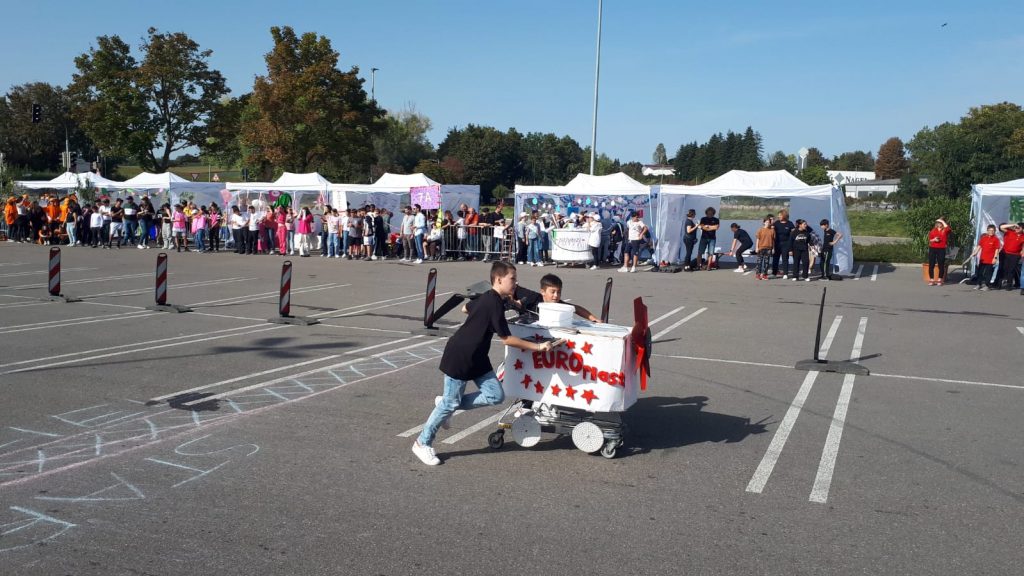
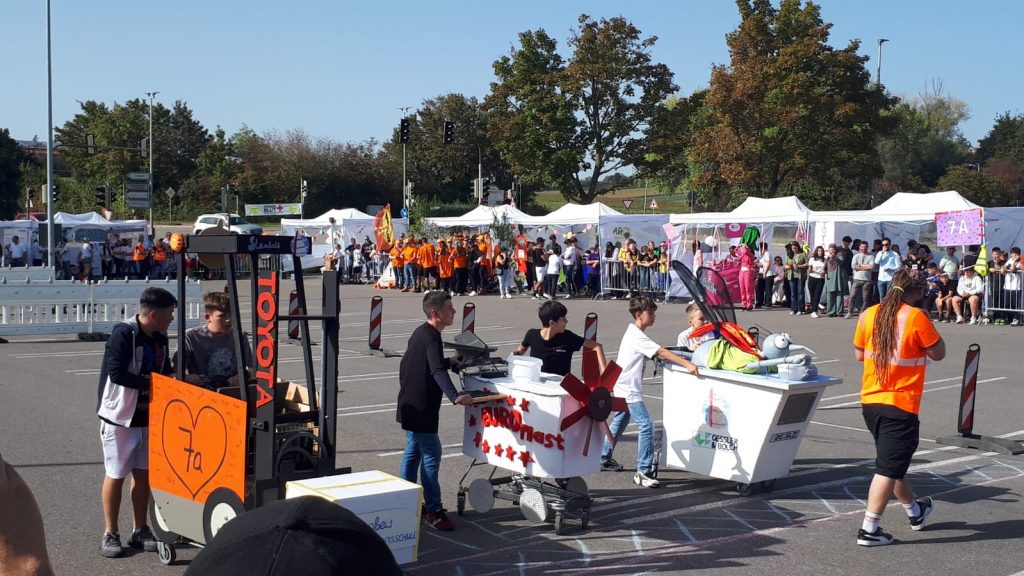
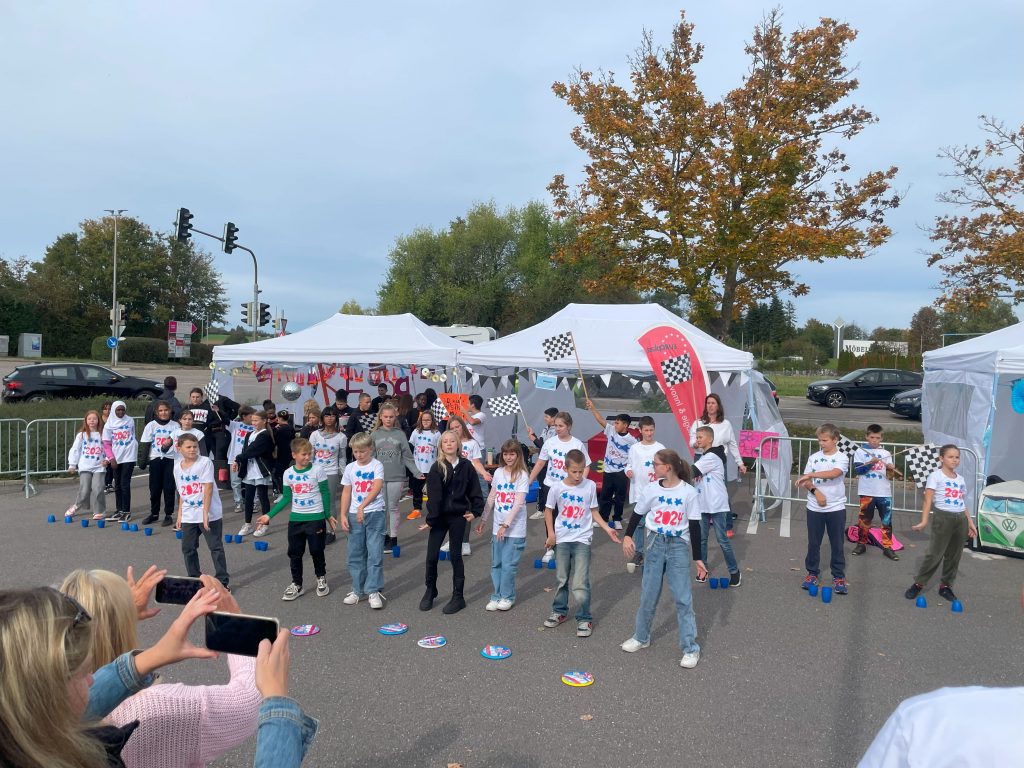
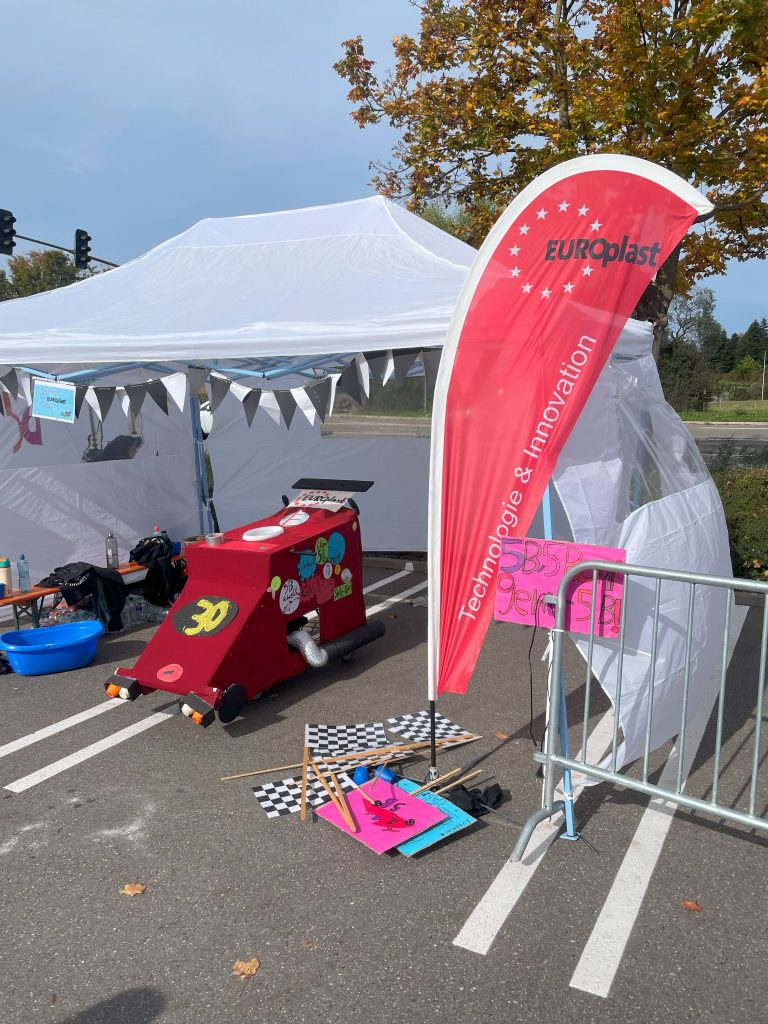
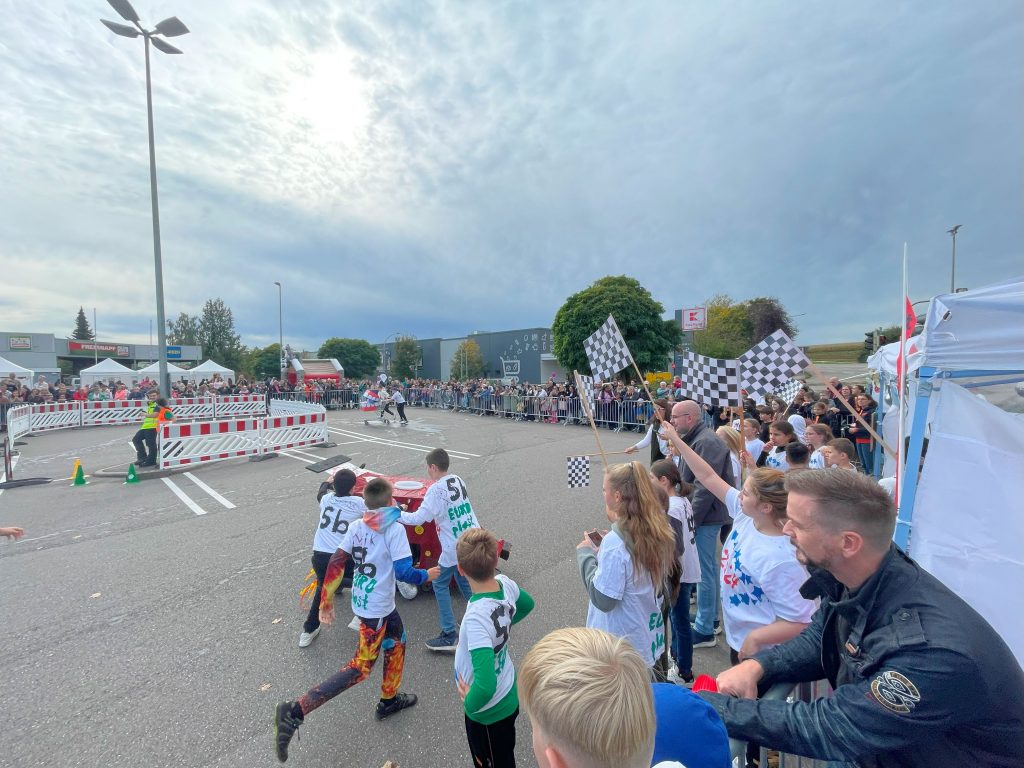
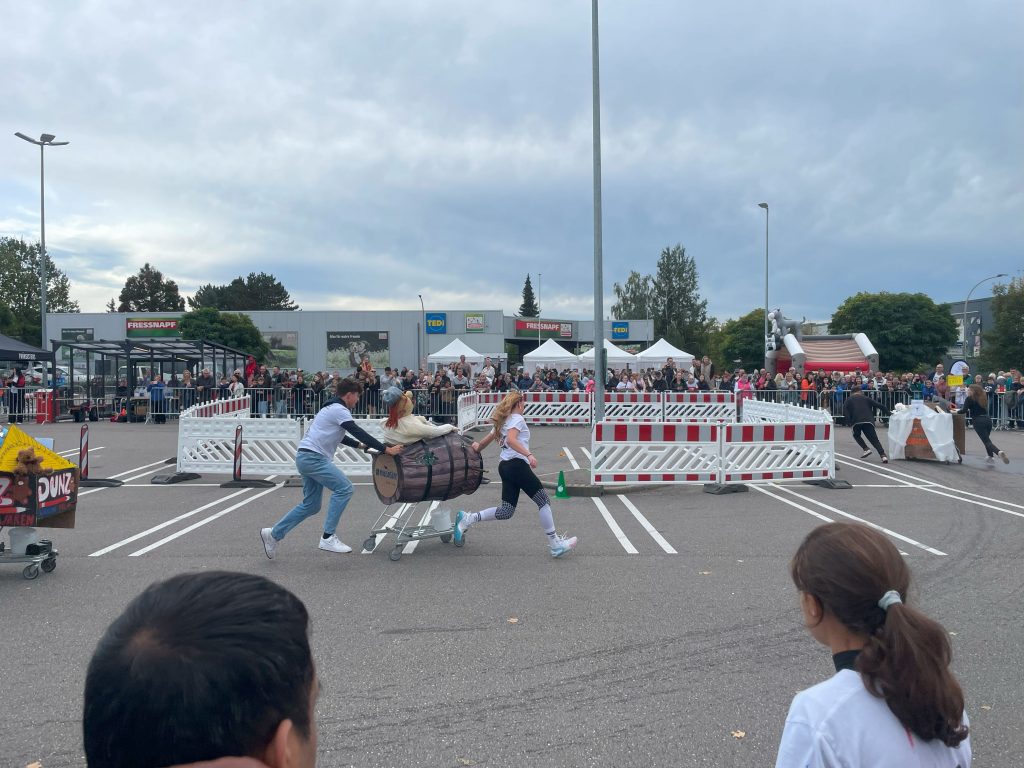
As in 2023, we were again represented in 2024 as a sponsor for a class at the Trolley Run of the Steinbeis Community School in Ilsfeld. With the plastic parts we provided, a shopping cart was designed, built and sent into the race according to the students’ wishes. During the race itself, a bucket of water is transported in each trolley and, in addition to speed, the aim is to spill as little water as possible.
The aim of this campaign is to encourage students and sponsors to be more careful with our water resource.
Even though our fifth-graders did not win first place, we are very proud of their performance and, above all, their motivation!
We were delighted to be part of this great event and to support the school partnership in South Africa with our donation.
October 17 to 21, 2023, Friedrichshafen Exhibition Center
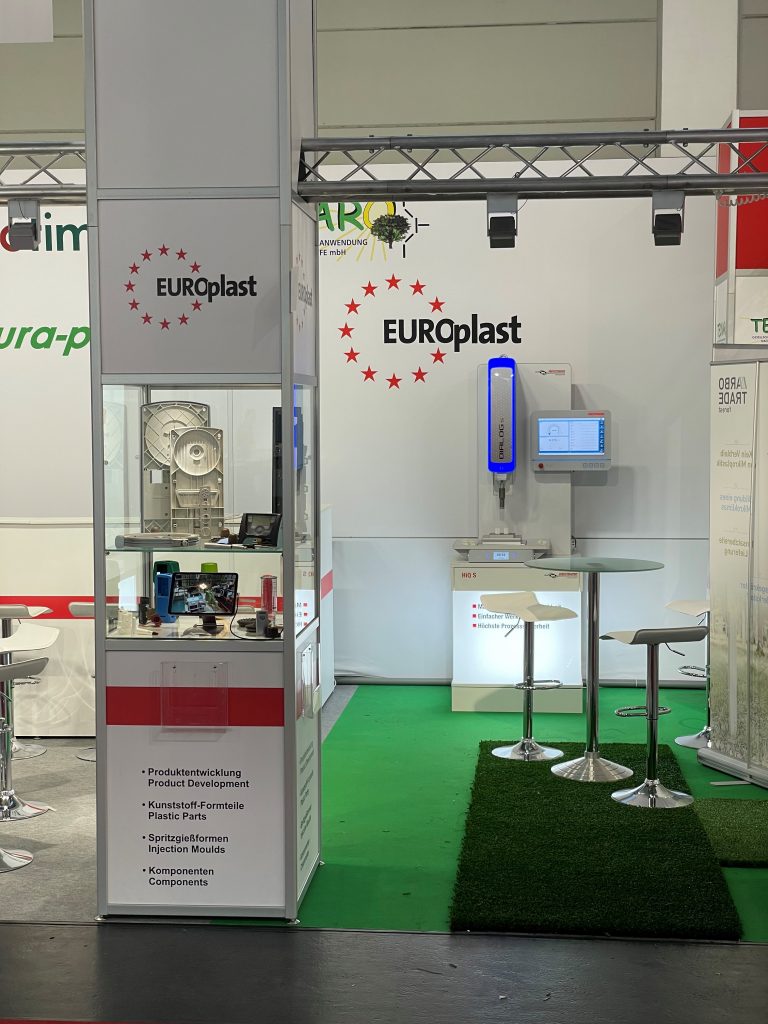
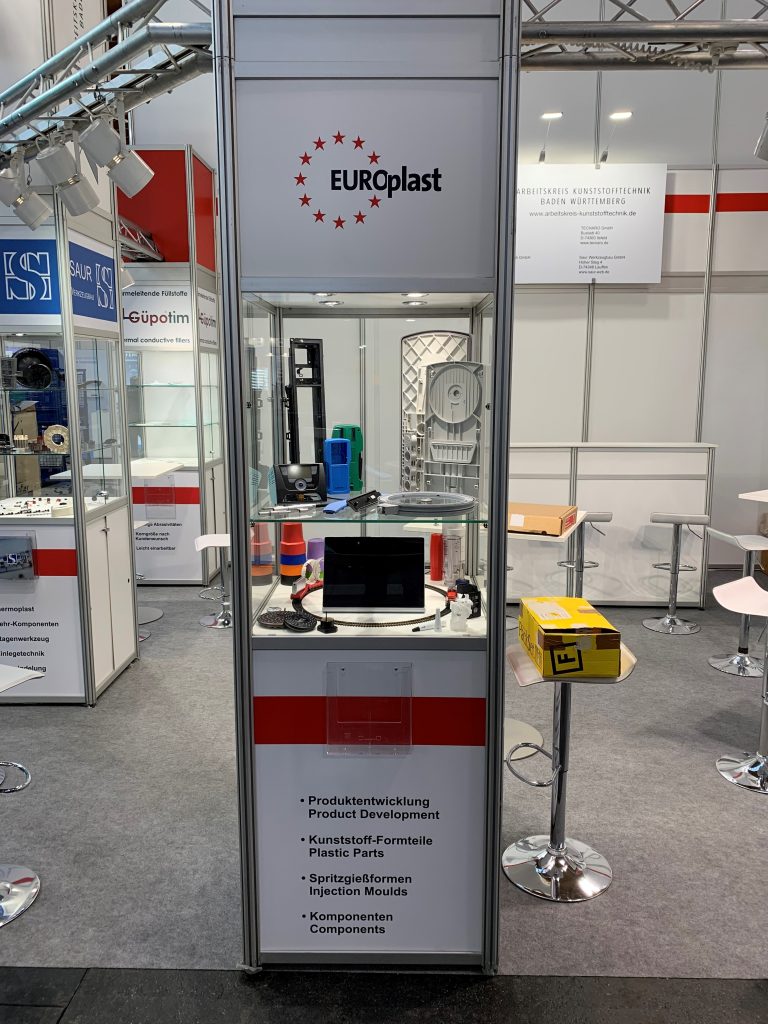
The first FAKUMA after the Corona years has finally attracted significantly more experts to Friedrichshafen. The exhibition stand of the Baden-Württemberg Plastics Technology Working Group was once again in the familiar location at the entrance to Hall A1. With the company Jura-Plast, we were able to gain a new co-exhibitor.
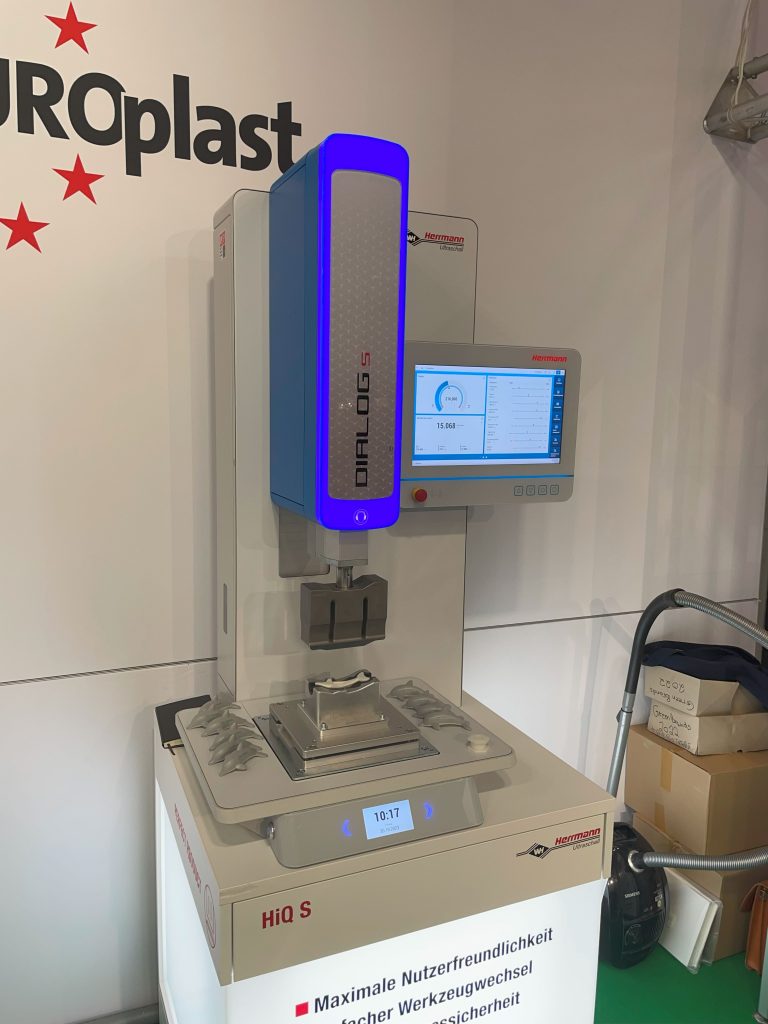
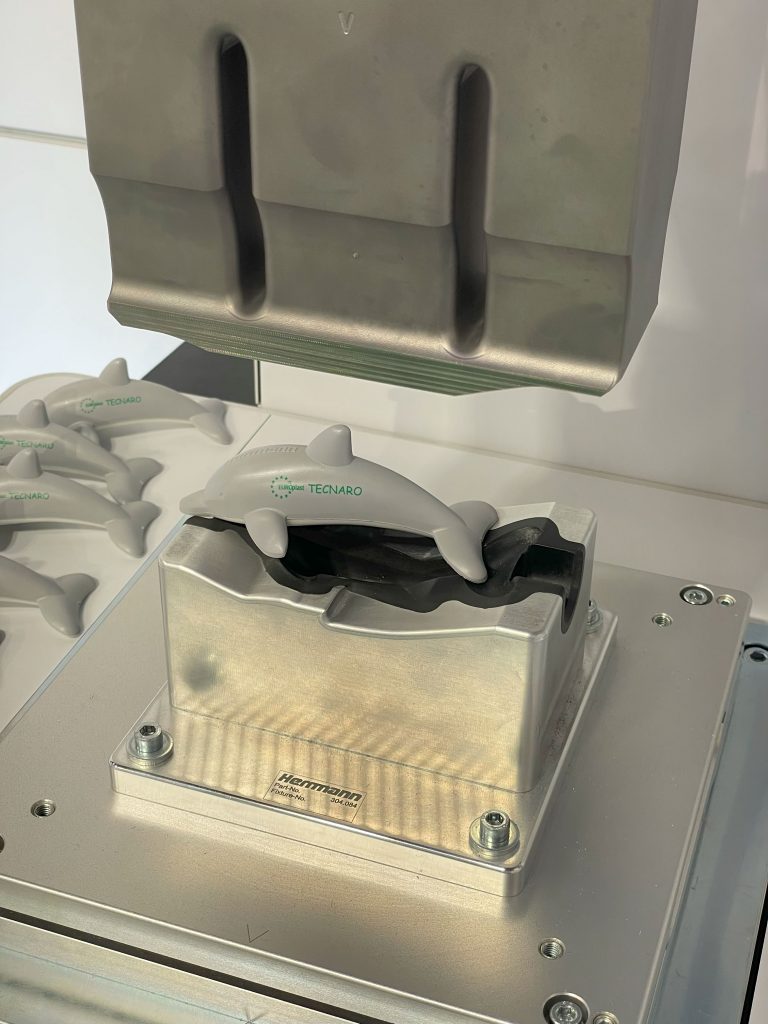
The highlight at the EUROplast exhibition stand was the ultrasonic welding machine with which we welded a dolphin made of biopolymers in cooperation with Herrmann Ultraschall and the company Tecnaro and distributed it to the trade fair visitors.
The major issues of security of supply, price increases on the raw material side and energy costs were popular topics of discussion. Other major topics were advancing digitalization, automation, energy efficiency and sustainability.
We are looking forward to next year’s FAKUMA, which will hopefully be a continuation of this really successful trade fair!
Oct. 2021 – 16 Oct. 2021, Friedrichshafen Exhibition Center
Until shortly before the start of the trade fair, it was unclear whether Fakuma could take place due to the Corona infection situation. We were very pleased that the decision was made to hold the event. Despite the stricter hygiene regulations, interested parties and exhibitors decided to attend the trade fair.
The number of visitors was manageable, but we were still able to have some good conversations. Personal exchange is and remains very important in our view. We are confident that next year’s trade fair can take place as usual.
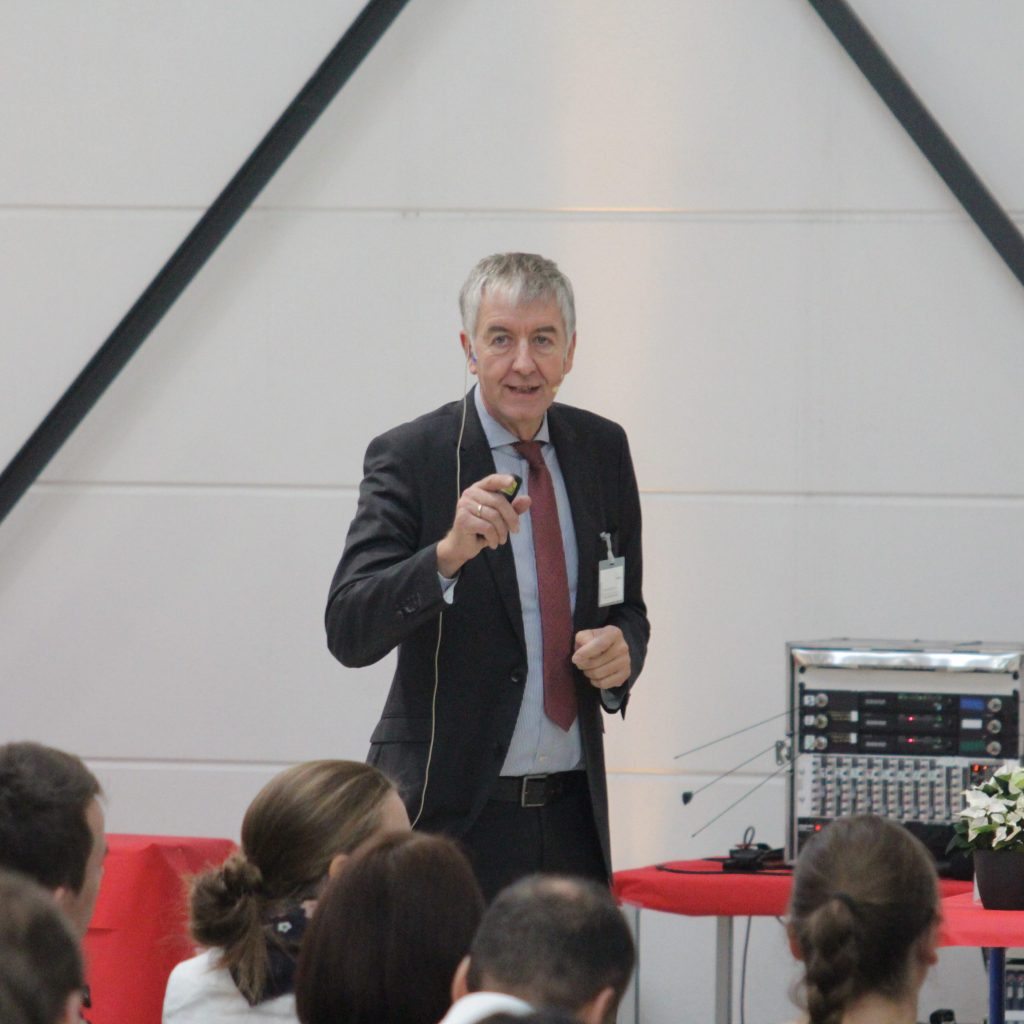
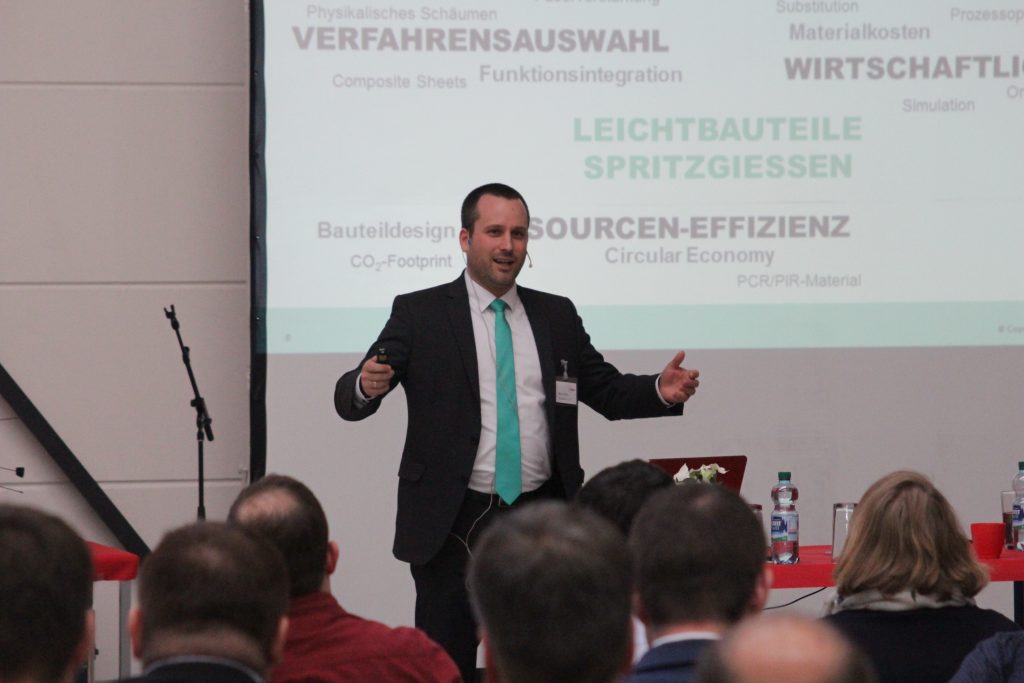
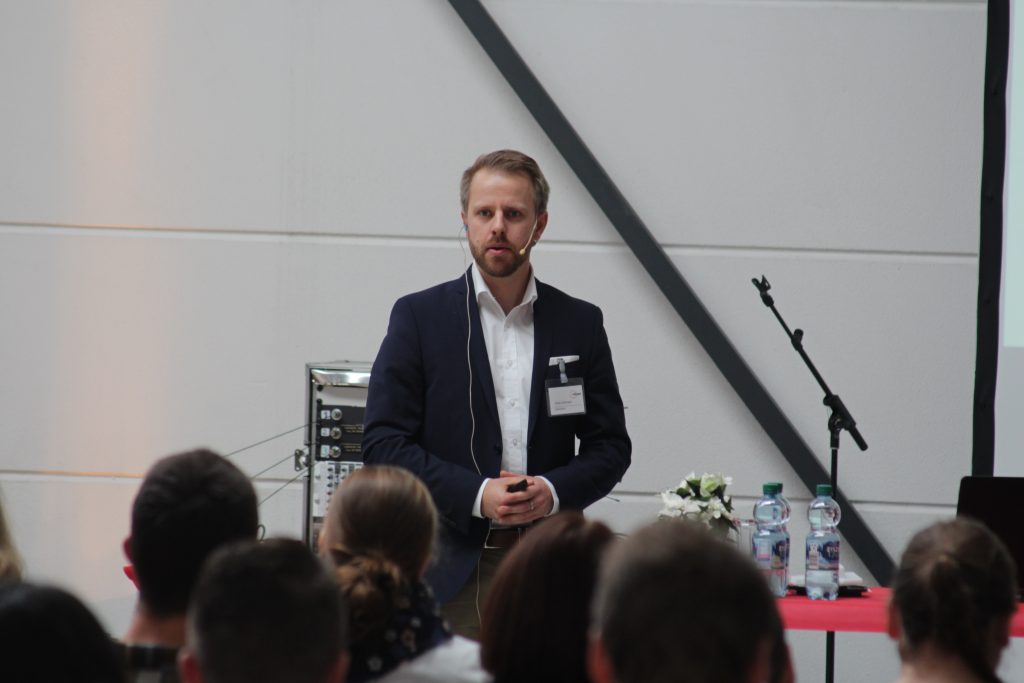
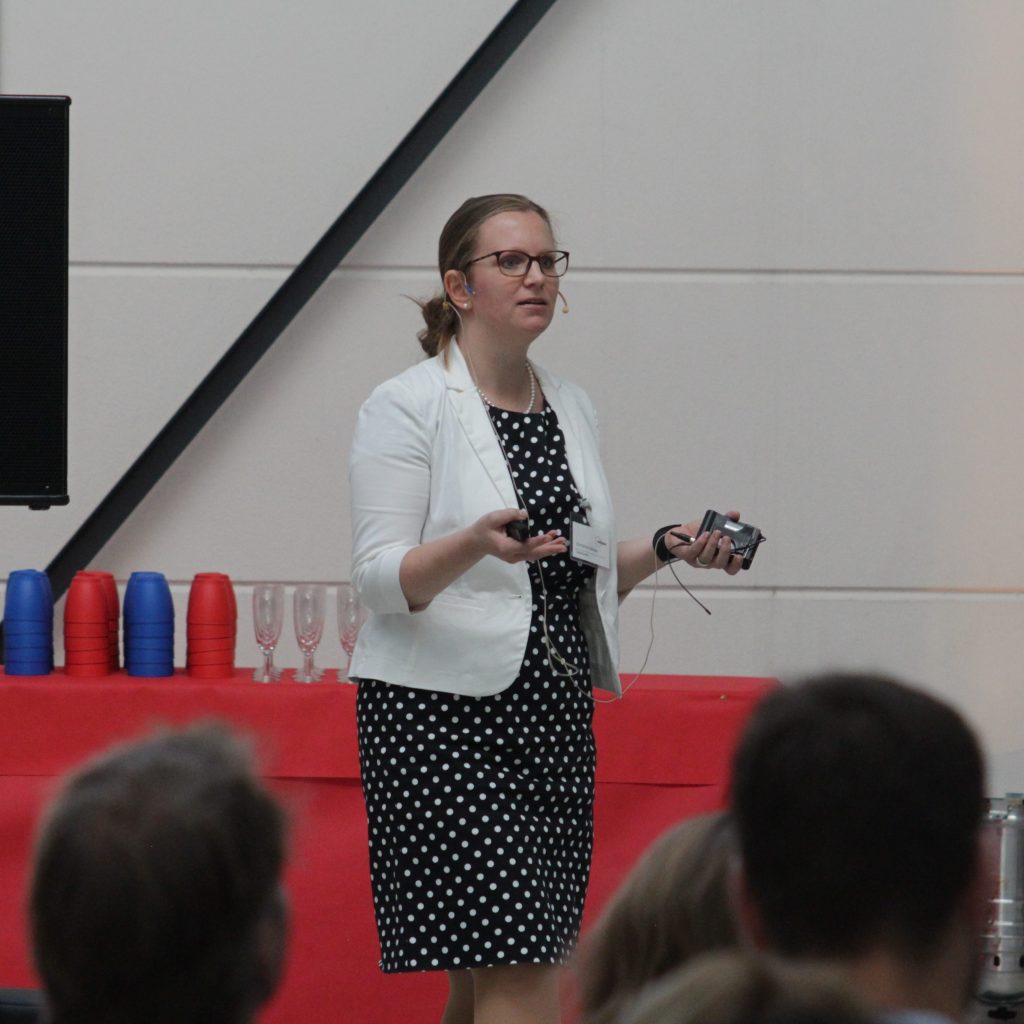
On November 18, 2016, a top-class training event took place with the 3rd EUROplast Technology and Innovation Day.
The speed at which new products are created is dizzying, but it will never again be as slow as it is today. Product innovations must be implemented before the competition. Innovative products can be sold at high prices; if the product arrives too late, the competition is often already there. We want to look into the future with you, deepen the tried and tested and learn new things.
Education is our greatest raw material in Europe, which is otherwise so resource-poor.
On November 18, 2016, a top-class training event took place with the 2nd EUROplast Innovation Day.
Join us on the exciting path to new products: We want to look into the future and will discuss everything from the design of material compositions, plastic-friendly constructions, new manufacturing processes, organic sheets for weight reduction with high strength, CT measurement and new simulation options to innovative surface technologies . Deepen the tried and tested and experience new things.
Innovative metal replacement with high-precision plastic parts made of PBT/ASA
When designing a new rotating viewing window for demanding applications in mechanical engineering, an intelligent choice of materials and tool design was required. A tool concept with a tunnel connection and symmetrical sprue distributor as well as sophisticated temperature control was designed and implemented.
In the case Akromid B33 S3 10 natural Magnets are arranged which are used to determine the current position of the operating table.
These magnets are extremely sensitive to moisture and previously had to be cast into the housing. Europlast EP Kunststofftechnik GmbH, Pleidelsheim, implemented a significantly cheaper method. After positioning the magnets, the upper and lower housing parts made of impact-resistant modified Akromid B33 S3 10 natural are sealed airtight using sliding friction welding.
Thanks to the blue coloring, the control housing adapts perfectly to the modern appearance of the entire operating equipment. The prerequisite for the required color uniformity is the batch consistency of the inherent color of the Akromid B33 S3 10 natural used. The necessary impact tests carried out were passed without any restrictions.
The high dimensional stability of the housing parts is achieved by the Akromid’s low tendency to warp in combination with the high level of expertise in processing. Compared to impact-modified polyamides from the competition, Akromid B33 S3 10 natural has a good ratio of degassing and tool deposit formation. This also leads to qualitatively high-quality molded part surfaces.
DIGITAL IMAGE
Image: EP Kunststofftechnik
author
Dipl.-Ing. Elmar Nachtsheim, Managing Director of Europlast, EP Kunststofftechnik GmbH, Ilsfeld
The problem with components with aviation approval according to ABD and FAR is, on the one hand, the low flammability required, and on the other hand, no toxic fumes must be produced in the event of a fire. A polyamide rises to the challenge.
To date, polycarbonate (PC) has often been used for aviation applications. However, this amorphous material causes problems because of its relatively poor resistance to stress cracking. There is a risk that cracks can be triggered by a superposition of stresses in conjunction with a chemical attack.
Stresses arise on plastic parts during the manufacturing process, for example during injection molding or deep drawing — with good workmanship and a plastic-friendly design of the components reducing the stress level. Depending on the application, the components can also experience considerable stress in the later installation situation due to the use of thread-forming screws instead of thread-cutting screws or incorrectly designed snap hooks.
The components required are technical functional parts of the seat mechanism. When installed, these are exposed to certain stresses and are contaminated with substances that trigger stress cracks, such as grease, but also food, hand creams or cleaning agents. After every long flight there is a cleaning, which is sometimes carried out in the most remote places in the world. This makes it difficult to specify the substances with which plastic parts may be treated. However, the use of polycarbonate, a material with high impact strength and the possibility of flame retardancy, poses the risk of stress cracking with almost every commercially available cleaning agent.
The property profile of the material that is approved for the aviation industry must meet certain requirements:
Flammability on horizontal test (15s) according to App.F to part 25 part I § (a),(1),(v)
Smoke density per FAR 25.853 (d)
Smoke density according to ABD 0031
Toxicity according to ABD 0031
Chemical resistance
Defined strength and elongation values
After various tests, a dry impact-resistant PA6 GF 15 FR (Foramid GM 96/30–1) was created that was suitable for the aviation industry. The polymer matrix of this material consists of polyamide 6, a semi-crystalline material with sufficient strength and elongation values as well as high chemical resistance. To achieve the flame-retardant properties, significant amounts of a phosphate- and heavy-metal-free flame retardant system were added. Furthermore, around 15% glass fiber was compounded to increase strength and rigidity. With a proportion of 30%, the material was too brittle due to the high flame retardant content. An added rubber-based impact modifier helped to increase the dry impact strength.
Processing aspects
The material can be processed like a normal PA 6 – GF15. To ensure colorability, the color must be adjusted exactly to the base material. However, it should be noted that colorability is only possible to a limited extent due to the high flame retardant content.
The plasticizing and injection conditions must be adjusted so that the blend does not separate. The parameters were determined empirically.
Despite the dry impact modification, the finished injection molded parts should still be conditioned with 2–3 % distilled water after completion. This increases the impact strength of the relatively brittle polyamide compound due to the high flame retardant content.
The injection mold is equipped with hard inserts made of hot-work steel (1.2344) and has optimal temperature control. Due to the relatively low volumes in the aviation industry, the injection is carried out using a rod and distributor without hot runner technology. Care was taken to ensure that the tunnel gate connection was sufficiently thick. This is important for low shear and sufficient pressure supply to the semi-crystalline material. The weld lines were placed in non-critical areas. Demoulding is carried out using flat and round ejectors and, in some cases, using complex slide technology.
Compound production
Due to its versatility, the polyamide polymer group has established itself as one of the most important and versatile thermoplastics in the field of injection molding granules. The macromolecule is made up of one or two different monomers. A distinction is made between PA 6 (but also PA 11 and PA 12) and PA 6.6 (but also PA 4.6 and PA 6.9). The number indicates the number of carbon atoms in the molecule.
The combination of halogen- and phosphate-free flame retardancy, glass fiber reinforcement and impact modification required for the intended purpose represents a particular challenge for the compounder. The aspects of polymer compatibility, coordination of the mechanisms of action, safety of the process, environmental compatibility and good economics must be taken into account.
Based on many years of experience, a flame retardant system based on melamine cyanurate ( melapur MC 25 from DSM ) proved to be suitable.
It is clear that in PA 6 the end groups NH2 and COOH form a bond with those of MCU, with the formation reaction taking place through opening of the rings and attachment. Cyanuric acid is broken down, which at the same time leads to the breakdown of Polymaid and thus to a lower smoke gas density. However, it has been shown that the dosage of melamine cyanurate in order to achieve the respective fire class must be set much higher than specified by the manufacturer.
While 8 weight of % was enough for the MCU 25 product from Chemie Linz in 1992 to achieve V 0 according to UL 94 (1.6 mm) for unreinforced PA 6, at least 12.5 weight of % is required with the aforementioned product .
The fire behavior of PA 6 with glass fiber was therefore only influenced by the flame retardant system to the extent that V 2 according to UL 94 (1.6 mm) was achieved. Since the components have a wall thickness of 3 mm, the flammability drops to V 1 according to UL 94 and thus meets the flame retardancy tests of the aviation industry, which differ from the tests of Underwriters Laboratories.
By adding the impact modifier, in this case an ethylene propylene rubber (EPM), to the already high flame retardant content, a complicated mixture is created that places high demands on the technological process of compounding. Without three gravimetric dosing units on the one hand and the correct choice of viscosity as a quotient of shear rate and shear stress on the other hand, consistent quality cannot be guaranteed.
Technical functional parts of the seat mechanics for the aviation industryProcessing the polyamide on the injection molding machineTool technology for producing the functional parts
Images: EP Kunststofftechnik
Authors
Dr. Gerhard Pohl, owner of Carl Pohl textile and thermoplastic production Forst / Lausitz and managing director of Dr. Pohl-Textil- und Thermoplast GmbH, Forst / Lausitz
Dipl.-Ing. Elmar Nachtsheim, Managing Director of Europlast, EP Kunststofftechnik GmbH, Ilsfeld
This website uses cookies for analysis and statistics. Cookies help us to improve the user-friendliness of our website. By clicking “Accept”, you agree to the use of all cookies.
This website uses cookies to improve your experience while you navigate through the website. Of these, the cookies that are classified as necessary are stored on your browser as they are essential for the working of basic functionalities of the website. We also use third-party cookies to help us analyze and understand how you use this website. These cookies are only stored in your browser with your consent. You also have the option to refuse these cookies. However, refusing some of these cookies may affect your browsing experience.
Necessary cookies are absolutely essential for the website to function properly. This category only includes cookies that ensures basic functionalities and security features of the website. These cookies do not store any personal information.
Analytical cookies are used to understand how visitors interact with the website. These cookies help provide information on metrics the number of visitors, bounce rate, traffic source, etc.
Cookie
Dauer
Beschreibung
brz-firstVisit
never
Brizy sets this cookie to store on the first visit.
brz-lastVisit
never
Brizy sets this cookie to store the last visit.
brz-pagesViews
never
Brizy sets this cookie to store which page was visited first.
brz-pagesViewsInSessionTimeLine
never
Brizy sets this cookie to store and track interaction.
brz sessions
never
Brizy sets this cookie to store ad display frequency.
brz-showedPopupsInSessionTimeLine
never
Brizy sets this cookie to store performed actions on the website.